

Most parents don’t think about first aid until they need to use it.
A child falls off the couch and hits their head. A toddler grabs something hot. A baby starts choking. A fever spikes late at night and suddenly the question is not “what if” but “what do I do right now?”
That’s why first aid matters so much for parents. It’s not about trying to turn yourself into a medical professional. It’s about knowing what to do in the first few minutes, before panic takes over or you can get help. First aid training can help people give care until medical professionals can take over.
The good news is that most of the skills parents need aren’t complicated, they’re practical. But they do take some familiarity, especially when you are tired, stressed, or trying to make decisions fast.
1. How To Respond When A Child Is Choking
This is one of the first skills most parents worry about, and for good reason.
Babies and toddlers put everything in their mouths. Even older kids can choke if they are laughing while eating, rushing through a meal, or walking around with food. The hard part in the moment is figuring out whether the child is actually choking or just coughing.
A child who is coughing hard may still be moving air. A child who cannot cry, cough, or breathe normally needs immediate help.
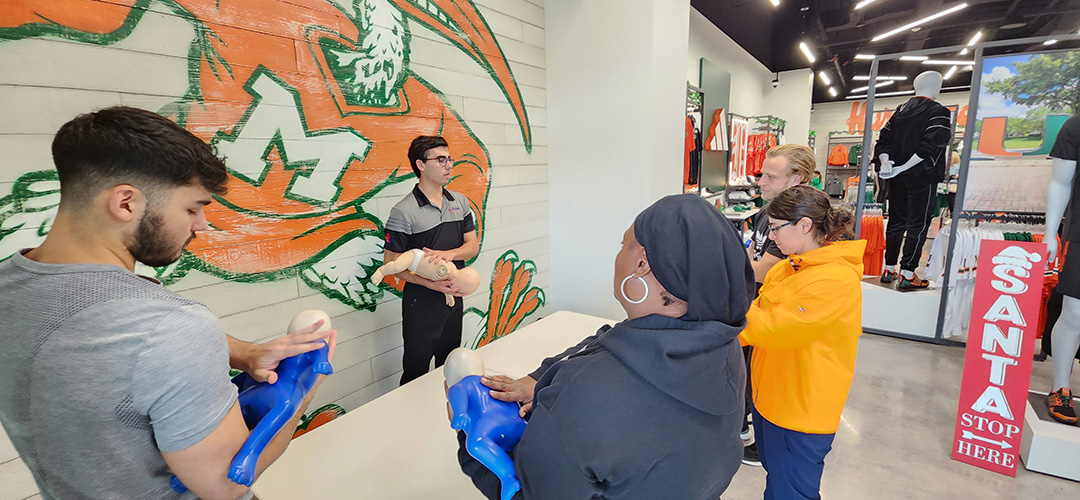
Parents should know the difference between infant choking and child choking, because the response is not exactly the same. Infant choking care is different from what you would do for an older child. That’s one reason hands-on practice matters so much. It’s much easier to remember after you have seen it and done it than after reading a short summary online.
2. How To Treat Cuts, Scrapes, And Bleeding
Cuts and scrapes are part of normal childhood. Most are minor. Some bleed a lot and look much worse than they actually are.
That’s part of what makes this skill important. Parents need to know how to clean a wound, when to apply pressure, when to cover it, and when it has crossed the line into something that needs urgent care.
A skinned knee is one thing. A cut that won’t stop bleeding, a deep wound, or a cut that may need stitches is something else.
This is also one of the places where staying calm matters. Sometimes kids panic when blood is present, even if the injury is manageable. The more steady you are, the easier it is to actually help.
3. How To Cool And Cover A Burn
Burns happen fast, especially with younger kids. A mug gets pulled off the counter. A bowl of soup gets tipped over. A child reaches for a hot pan before anyone can stop them.
What parents need to know at that moment is pretty simple. Run the burn under cool water, skip the ice, and take a closer look at where the burn is and how serious it seems. Burns on the face, hands, feet, or a larger part of the body usually need medical care. The same goes for burns that blister badly or look deeper than a surface burn.
A lot of people still hear old advice about putting butter, creams, or random home remedies on a burn right away. That’s usually not what helps most. The first priority is cooling the area and figuring out whether it’s something you can manage at home or something a doctor needs to see.
4. How To Spot A Head Injury That Needs Medical Attention
Kids hit their heads all the time. Most of the time, it’s just a bump and a few tears. But sometimes parents are left wondering whether they are looking at a normal fall or something more serious.
That’s why this is an important first aid skill. Not because parents need to diagnose concussions on their own, but because they need to know what changes the situation.
A child who cries right away, settles down, and goes back to acting normal is one thing. A child who vomits repeatedly, seems unusually sleepy, acts confused, or is just clearly not acting like themselves is another.
The useful skill here is watching the child, not only the bump. Parents do not need to panic over every head knock, but they do need to know what signs mean that it’s time to stop observing and get medical help.
5. How To Handle A Fever Without Panicking
Fever is not always a first aid emergency, but it is one of the things that sends parents into panic mode fastest.
Part of that is because fever can make a child look miserable, and part of it’s because parents are never fully sure when a fever is “normal sick” and when it signals something more serious.
The skill here is not just taking the temperature, it’s knowing what else to look at. How old is the child? Are they drinking? Breathing comfortably? Responding normally? Acting alert between doses of medicine? A fever in a newborn is different from a fever in a school-age child. What matters is the whole picture, not just the number on the thermometer.
This is one of those areas where basic first aid knowledge can keep parents from overreacting to every fever and underreacting when the child really does need care.
6. How To Recognize And Respond To An Allergic Reaction
Not every allergic reaction looks dramatic right away.
Sometimes it starts with hives, itching, or swelling. Sometimes it becomes much more serious, especially if breathing, repeated vomiting, faintness, or throat tightness gets involved. That’s when parents need to think about a severe allergic reaction, not just a mild one.
This is one of those situations where the difference between “watch it closely” and “treat it like an emergency” really matters. A severe allergic reaction needs a faster response.
Parents should also know that antihistamines and emergency medication are not the same thing. A mild reaction and a severe reaction aren’t handled the same way, and that’s exactly why families with known allergies are usually given a written emergency plan.
7. How To Respond To Poisoning Or Unsafe Ingestion
Kids put things in their mouths. That’s just part of being a kid.
The problem is that plenty of things around the house look harmless or even appealing to a child. Gummies, colorful detergent pods, cleaning products, medications, and even things left in a bag on the floor can all become problems very quickly.
The main skill here is not guessing. It’s acting quickly and getting the right help. Parents should know who to call and understand that making a child throw up is not a general solution.
This is less about home treatment and more about recognizing that the situation needs expert guidance right away.
8. How To Manage Dehydration, Vomiting, And Diarrhea
A child who is sick can go from “probably okay” to dehydrated faster than many parents expect, especially babies and younger children.
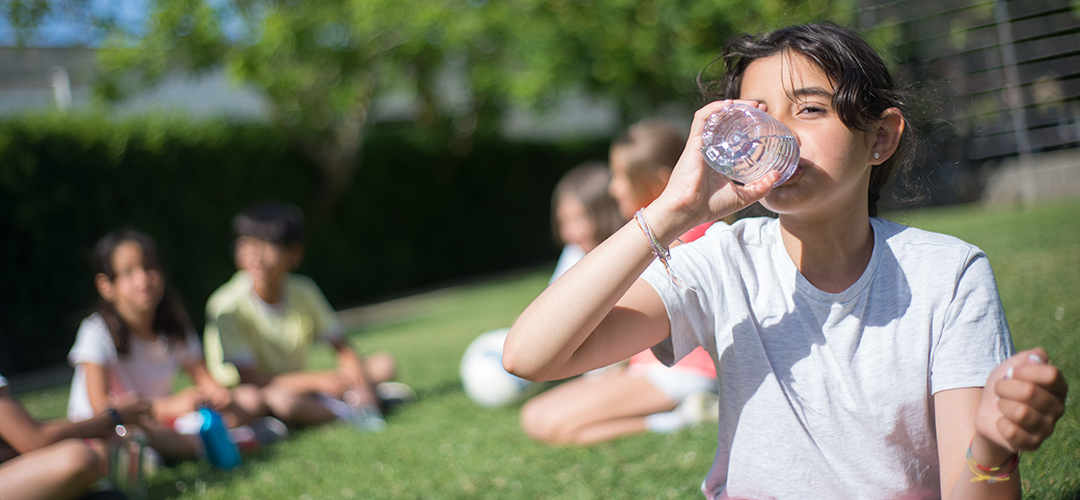
Parents should know how to watch for signs that a child is not keeping up with fluids, such as dry mouth, fewer wet diapers, very dark urine, unusual sleepiness, or crying without tears. The practical skill here is knowing when to keep offering fluids at home and when vomiting, diarrhea, or refusal to drink has crossed into something that needs medical attention.
This is another area where first aid is not about dramatic intervention, it’s about noticing patterns and acting before the situation gets worse.
9. How To Put Together And Use A Real First Aid Kit
A surprising number of families have a first aid kit that’s either half empty, expired, or buried somewhere inconvenient.
A real family first aid kit should be easy to find and stocked with the things you actually use. That means basics like bandages, gauze, gloves, antiseptic supplies, tweezers, a thermometer, and anything child-specific that matters for your family. If your child has allergies, that may include epinephrine. If your child has asthma, that may include inhalers or a written action plan.
But the skill is not only owning the kit, it’s knowing what is in it and not having to open it for the first time while your child is bleeding, burned, or sick.
That’s what makes a first aid kit useful in real life. It should feel familiar, not like a mystery box you bought three years ago and forgot about.
10. How To Know When It’s Time To Call 911
This may be the most important first aid skill of all.
Parents often get stuck trying to decide whether they are “overreacting.” HealthyChildren points out that a true emergency is a situation where a severe illness or injury may threaten a child’s life or cause permanent harm.
The practical skill is recognizing the moments when home care stops being the right option. Trouble breathing, seizure, serious head injury symptoms, severe allergic reaction, significant burns, uncontrolled bleeding, choking, poisoning, and unresponsiveness all belong in that category.
Sometimes the best first aid decision is not what you do with your hands, it’s how quickly you get emergency help involved.
11. How to Perform CPR on an Infant or Child
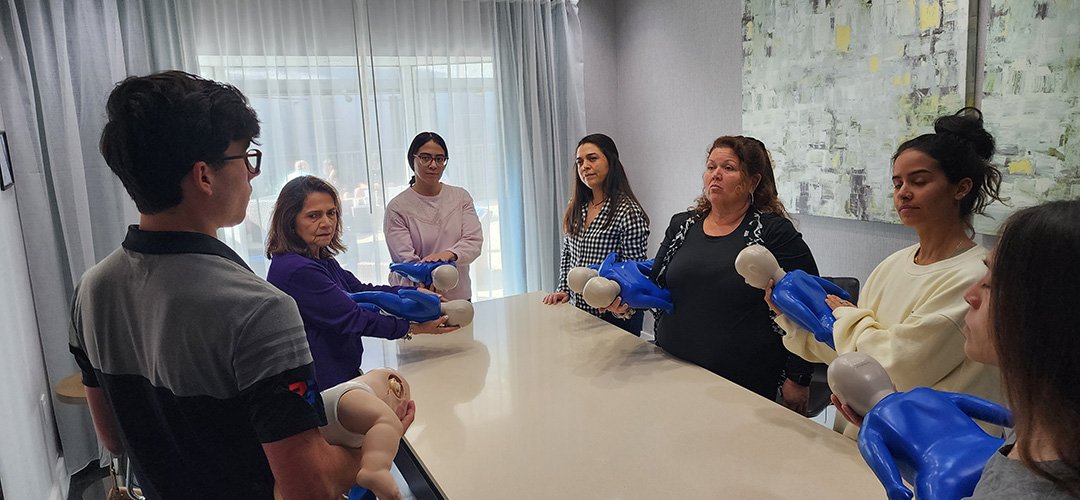
CPR is one of the most important skills a parent can learn because emergencies involving breathing can escalate fast. Infant CPR and child CPR aren’t exactly the same as adult CPR, which is one reason parents benefit from learning the age-specific steps instead of assuming general CPR knowledge covers it.The goal of CPR is to keep blood and oxygen moving until emergency responders arrive. Parents do not need to memorize every detail from memory after reading one article, but they should know when CPR is needed, when to call 911, and why hands-on training matters. That’s one reason many families eventually look into CPR classes Miami parents can take in person after realizing how different child emergencies can feel when they involve breathing or unresponsiveness.
Why These First Aid Skills Matter More Than Parents Think
Parents don’t need to be experts in everything. But they do need a starting point.
What makes first aid useful is not perfection, it’s familiarity. When people have gone over these situations before, even briefly, they tend to respond faster and with less confusion. The Red Cross specifically encourages CPR and first aid training for parents because those are the kinds of skills that can make a difference while waiting for professional care.
That’s also why some families eventually start looking into first aid classes Miami parents can take in person once they realize how often these situations come up. Others start with online first aid classes Miami providers offer because getting out to a class with kids at home is not always realistic.
Once parents start thinking seriously about emergency preparedness, they often expand beyond basic first aid. That may mean comparing CPR classes Miami families trust, signing up for an online first aid and CPR course South Florida parents can work through on their own schedule, or deciding they want more formal hands-on training through cpr certification Miami options.
The point is not collecting certificates. It’s about feeling less lost if the next emergency happens at home, at the park, or in the car.
FAQ About First Aid Skills Every Parent Should Learn
What First Aid Skills Should Every Parent Know?
Every parent should know how to respond to choking, bleeding, burns, head injuries, allergic reactions, poisoning, dehydration, fever, and other common childhood emergencies. Just as important, they should know when to call 911.
Do Parents Need CPR And First Aid Training?
Formal training is strongly encouraged because it helps parents practice skills before they need them. The Red Cross specifically recommends CPR and first aid training for parents and caregivers.
How Do You Know If A Child’s Injury Is Serious?
Parents should watch for red flags like trouble breathing, unresponsiveness, repeated vomiting after a head injury, uncontrolled bleeding, major burns, seizure, or a child who is getting worse instead of better. Those signs usually mean the child needs emergency care.
What Should Be In A Family First Aid Kit?
A family first aid kit should include bandages, gauze, gloves, antiseptic supplies, a thermometer, tweezers, and any child-specific emergency items like epinephrine or inhalers. It should also be easy to find and checked regularly.
Are Online First Aid Classes Worth It For Parents?
They can be a useful starting point, especially for busy parents who need flexibility. For hands-on skills like CPR or choking response, many families still benefit from in-person practice. The Red Cross offers online, in-person, and blended first aid options.
When Should Parents Call 911 Instead Of Handling It At Home?
Parents should call 911 for breathing trouble, severe allergic reactions, unresponsiveness, seizures, significant burns, choking, serious head injury symptoms, poisoning emergencies, or heavy bleeding that does not stop.